
 Facebook
 Twitter
 LINE
LINE
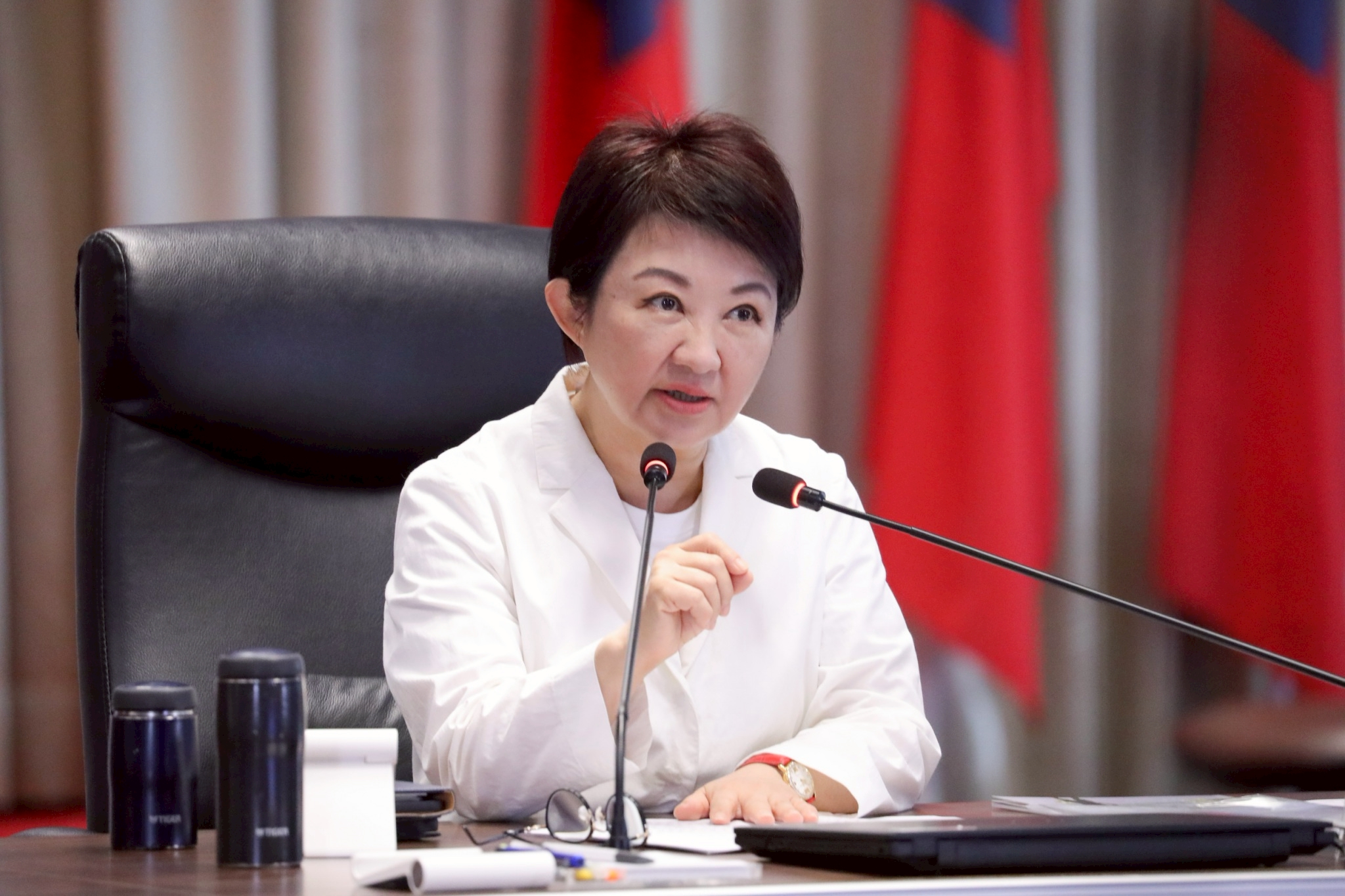
Mayor Lu pointed out that flood control is an important foundation of urban governance. In the past, Shalu, the area around Providence University, the coastal districts, Wuri, Dali, Fengyuan, and other areas all suffered from flooding. In recent years, the city government has successively promoted the Nanshan interception channel and multiple drainage improvement projects, gradually addressing long-standing flooding problems. The rainfall brought by Typhoon Danas last year, as well as this year’s June 27 heavy rainfall and Typhoon Bavi, were all major tests of the city’s flood control capacity. Fortunately, large-scale flooding has been greatly improved, showing that the city government’s years of flood control efforts are gradually delivering results.
Mayor Lu mentioned that the Water Resources Bureau has actively promoted the preservation of water culture and water history. In addition to organizing related activities and publishing special features to help residents gain a deeper understanding of Taichung’s hydrological development, the Bureau also balanced transport construction with cultural heritage preservation in the Zhenqian Road project in Shengang. The Qing dynasty “Floating Canal” cultural heritage was fully preserved, while new traffic lanes and separated pedestrian and vehicle routes were designed to effectively improve a traffic bottleneck.
Mayor Lu recognized the team led by Water Resources Bureau Director Shih-I Fan, noting that it has not only carried out flood control work well, but has also further improved river environments by integrating landscape, park, recreation, and sports functions. These efforts have created waterfront spaces with flood control, leisure, and tourism value, turning rivers into shared living spaces for residents.
In today’s special report, titled “Planning Riverside Green Corridors and Creating Waterfront Living”, Water Resources Bureau Director Shih-I Fan said that flood control projects should not only ensure water safety, but also take the water environment and water culture into account. With support from the central government and the city government, as well as the efforts of the team, Taichung City has received more than 100 national flood control awards over the past seven years.
Director Fan pointed out that in recent years, the city government has successively completed river improvement and environmental enhancement projects for Green River, Dongda Creek, Hanxi Drainage, Fazi River, Ruanpizai Creek, Huilai Creek, Chaoyang Creek, Liu River, and Dazhi Drainage. Through sewage interception, water quality purification, ecological engineering, and the creation of riverside green corridors, these projects connect walkways, bikeways, parks, and sports spaces. They not only improve water quality and flood control functions, but also create waterfront environments that combine recreation, landscape, and ecological education. He explained that Dongda Creek has successfully improved wastewater issues in the Tunghai Night Market shopping district and industrial area. Hanxi Drainage, Fazi River, and Ruanpizai Creek connect recreational spaces along their banks, creating waterfront areas that combine sports and tourism and gradually realizing coexistence between rivers and the city.
Director Fan pointed out that the city government is also promoting water culture preservation and environmental education. It has established water culture and environmental education centers at Green River, Dongda Creek, Fazi River, and Liu River, and has worked with four universities to promote the “One University, One River” initiative. By combining University Social Responsibility and public-private collaboration, the city is deepening river education. He noted that the Water Resources Bureau has secured 44 projects under the central government’s “Integrated Improvement Plan for County and City Managed Rivers and Drainage in Response to Climate Change”. The Bureau will continue to promote projects for Huilai Creek, Dazhi Drainage, Liu River, Huludun Canal, Hanxi Drainage, and other waterways to create a livable, resilient, and sustainable waterfront city.
(7/14*17)*Water Resources Bureau
Contact: Water Resources Bureau, Taichung City Government
Contact No.: 04-22289111